Business License

TPU Adhesive
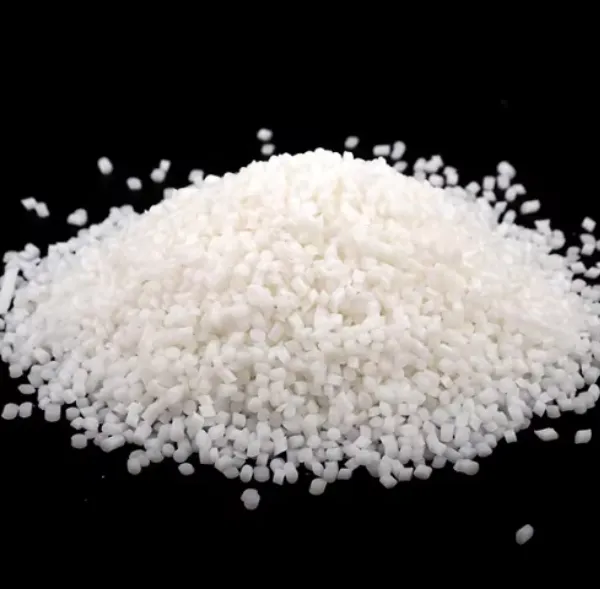
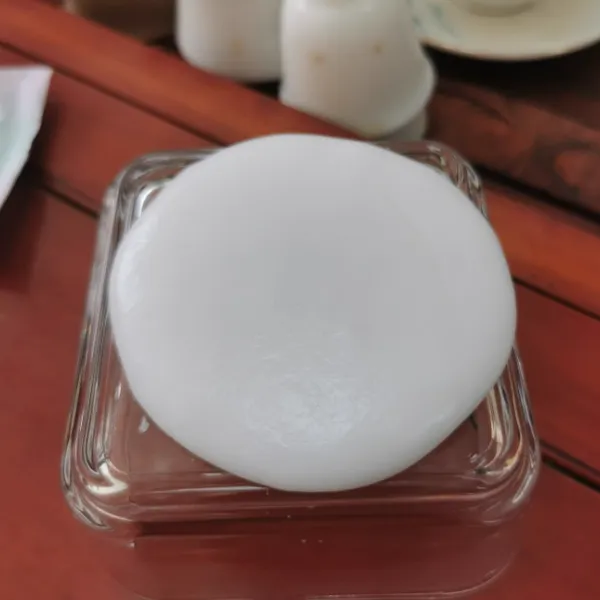
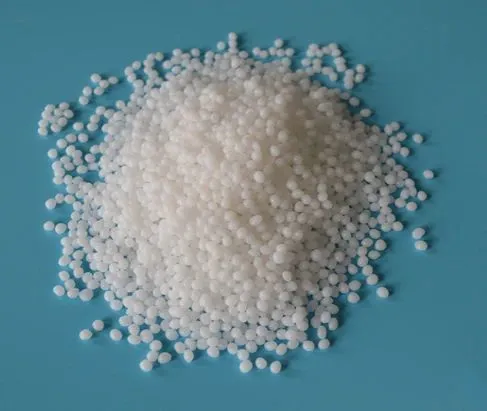
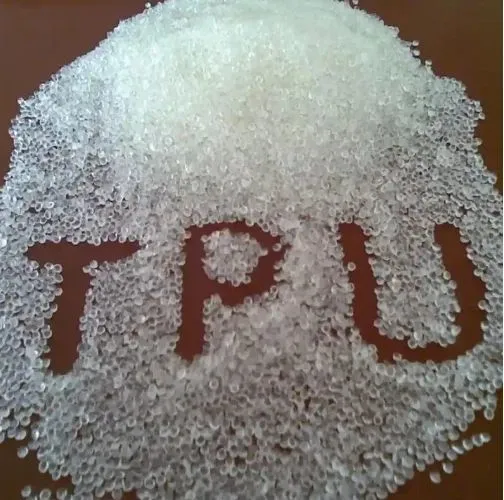
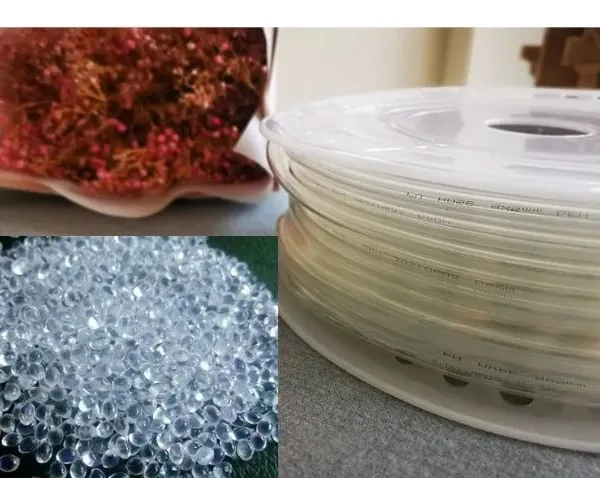
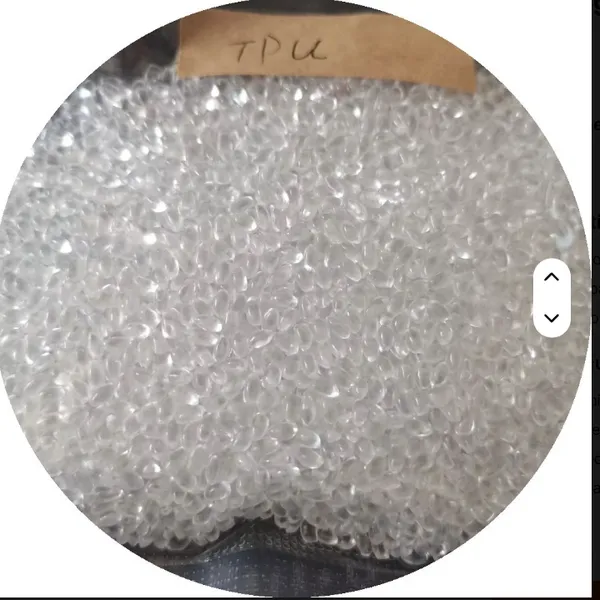
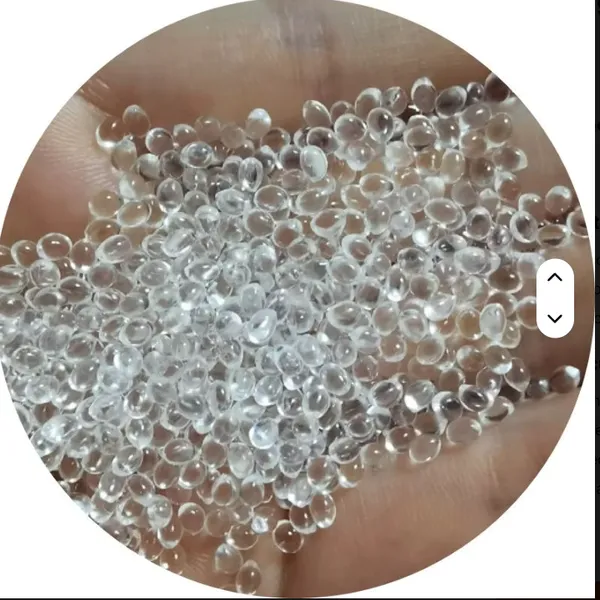
Thermoplastic polyurethane resin (TPU) has excellent properties, wide applications, diverse processing methods, and a wide variety of types,
which can meet various needs.
TPU is a material with properties between plastic and rubber, with significant performance differences and great development potential.
Its high-strength physical properties and softness characteristics are flourishing in various industries such as medical, sports equipment, sports shoes, and fashion products.
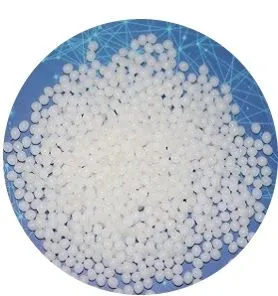
Polyurethane resin granules are a general term for rubber like elastomers with Urethane (- NHCOO -) groups in their molecular structure,
which have the following characteristics:
1. Excellent wear resistance and abrasion resistance.
2. Good tensile strength and tear resistance.
3. Good oil and gasoline resistance.
4. Good low-temperature performance/weather resistance/ozone resistance.
5. Comply with the provisions of the Food Hygiene Law.
6. Excellent flexibility and significant noise and vibration reduction effects.
7. Good processability.
Its characteristics:
(1) Renewable processing meets environmental protection requirements/saves costs.
(2) No need for sulfur curing.
(3) Easy to mix and use with other resins.
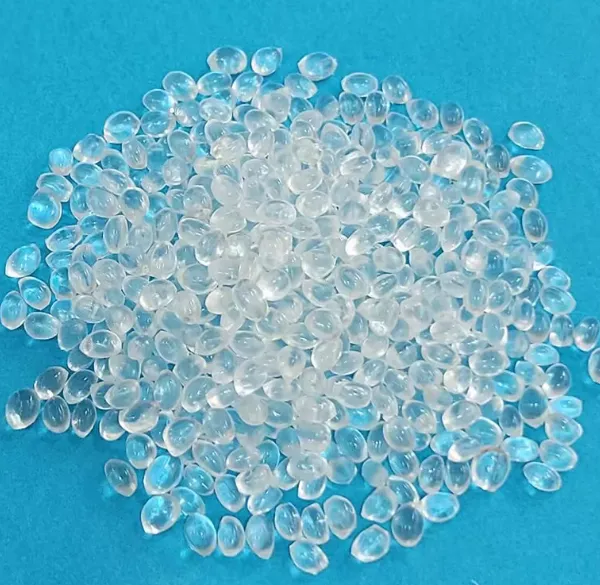
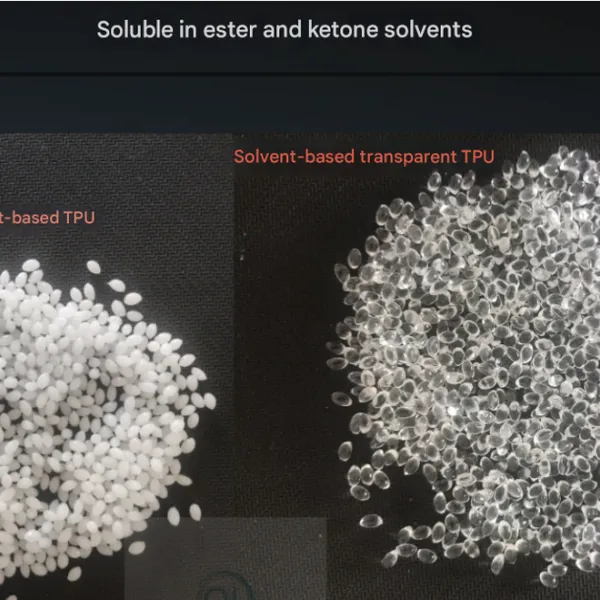
(4) It can be processed after solvent dissolution.
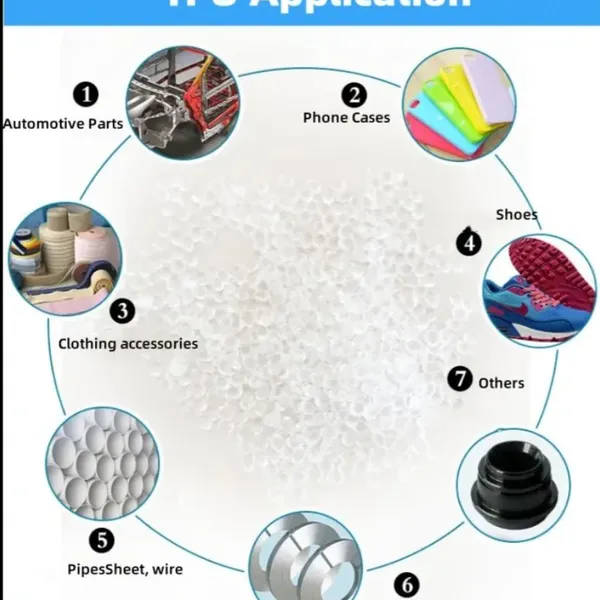
2 The use of TPU is classified according to the molding method
1. Injection molding
(1) Automotive parts: ball joints, dust covers, anti-skid pedals, door closing collision plates, sliding bushings, bearings, shock-absorbing parts, spring sleeves, interior and exterior decoration parts.
(2) Mechanical and industrial parts: various gears, oil seal materials, shock resistant parts, sliding bushings, bearings, covers, wiring connectors, rubber springs, printed rubber wheels.
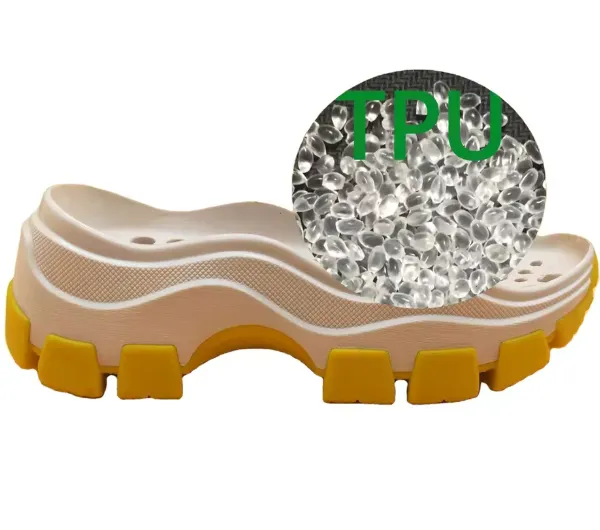
(3) Boots: soles and main components of baseball, football, golf shoes, women's shoe roots, safety boots, snowshoes, etc.
(4) Other: Roller, syringe, handle, strap, animal ear emblem.
2. Extrusion molding
(1) Water pipes and hoses: high-pressure water pipes, medical hoses, oil pipes, air pressure hoses, fuel hoses, painting hoses, fire hoses.
(2) Thin film: conveyor belt, air bed, chart, button adhesive film, synthetic leather.
(3) Wires and cables: power, communication cables, computer wiring, automotive wiring, various insulation coatings.
(4) Other: various ropes, circular belts, V-belts, anti-skid plates, synchronous belts.
3. Rolling processing
Conveyor belts, flexible containers, films, and adhesive products.
4. Blow molding
Various types of cylinder sleeves and containers for automobiles and vehicles.
5. Expansion forming
Ultra thin, wide film (for medical and hygiene products).
6. Solution
Used for coating adhesives, adhesives, synthetic leather, steel cables, steel wires, gloves, etc.
Recently Posted
-
TPU Resin for Fire Hoses: Why Polyurethane Wins Over PVC
September 3, 2026A fire department once retired a set of PVC-lined hoses after they became stiff and cracked at the folds during a cold-weather dri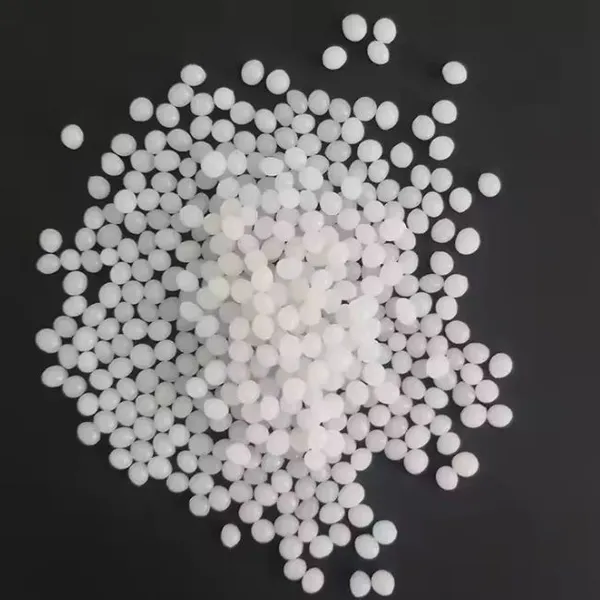 Read More
 -
Melt Flow Index in TPU: Why It Matters and How to Specify It
September 3, 2026An extrusion plant once switched TPU suppliers and kept every process setting unchanged, assuming that a similar hardness meant a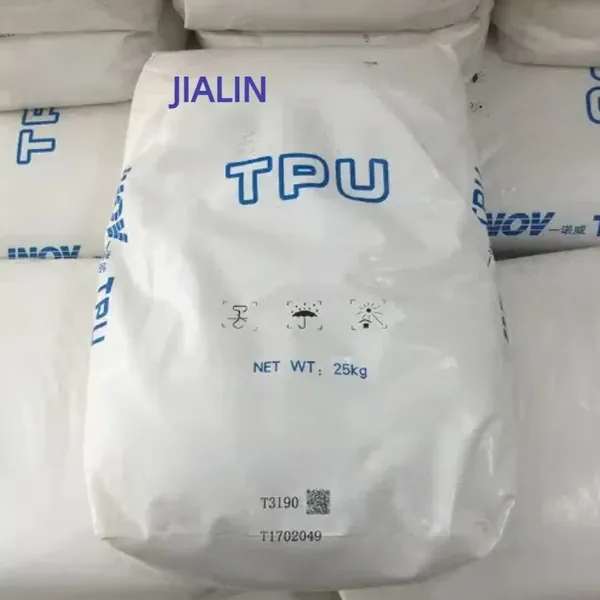 Read More
 -
TPU Technical Data Sheet Reading Guide: Hardness, Tensile Strength, Elongation
September 3, 2026A purchasing engineer once compared two TPU granules with the same hardness number and chose the cheaper one based on the price co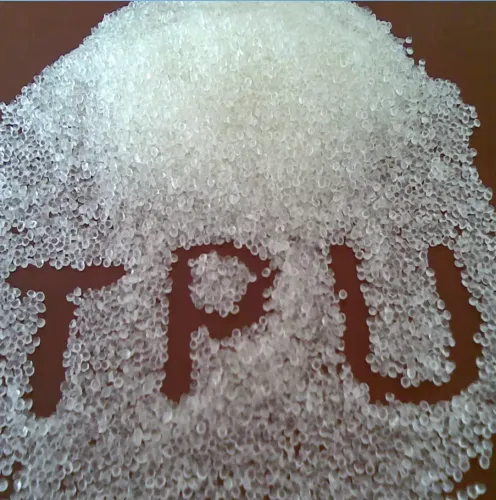 Read More
 -
TPU vs EVA: Material Differences for Footwear, Sports and Packaging Use
September 2, 2026A sports-goods brand once approved an EVA midsole for a running shoe line because EVA was cheaper and easy to mold. After a season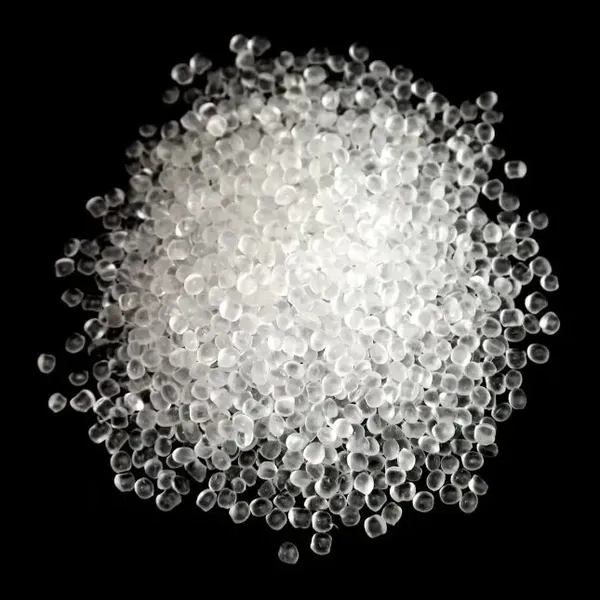 Read More

Contact Us
Recommended Products
-
 Thermoplastic Polyurethane TPU Resin For Printing Ink TPU GranulesUS$ 2.22MOQ: 1 Kilogram
 -
Thermoplastic Polyurethane TPU Resin For Reflective Material/TPU Granules for Adhesion to Glass Microbeads and Gold Silver Powder. US$ 2.22MOQ: 1 Kilogram
-
Tunsing DS220 TPU Polyurethane Adhesive Powder for Heat TransferUS$ 2.22MOQ: 1 Kilogram
-
Thermoplastic Polyurethane TPU Resin For Reflective Material TPU GranulesUS$ 2.22MOQ: 1 Kilogram
-
Factory Price TPU Resin TPU Granules KG Thermoplastic Polyurethane Powder for Sports Shoe Sole/Cable/Phone Case TPU PelletsUS$ 2.22MOQ: 1 Kilogram

-
Thermoplastic Polyurethane TPU Resin For Solvent-based Adhesive TPU GranulesUS$ 2.22MOQ: 1 Kilogram
-
Thermoplastic Polyurethane TPU Resin for Fire Hoses/Tpu Hot Melt AdhesivesUS$ 2.22MOQ: 1 Kilogram
-
Thermoplastic Polyurethane TPU Resin For Hot Melt Adhesive TPU GranulesUS$ 2.22MOQ: 1 Kilogram
-
Thermoplastic Polyurethane TPU Resin for Fire Hoses/Different Hardness TPU Pellets Virgin Plastic Raw MaterialUS$ 2.22MOQ: 1 Kilogram
-
Thermoplastic Polyurethane TPU Resin For Fire Hose TPU GranulesUS$ 2.22MOQ: 1 Kilogram
-
Low Temperature Solvent Based Aliphatic Non-yellowing TPU Adhesive for Shoe TPU ResinUS$ 2.22MOQ: 1 Kilogram
-
Thermoplastic Polyurethane Glue Hot Melt Adhesive Grade High Viscosity TPU Resin For ShoesUS$ 2.04MOQ: 1 Kilogram
-
Low Temperature Hot Melt Adhesive Resin TPU Solvent Ester DissolutionUS$ 2.22MOQ: 1 Kilogram
-
Thermoplastic Polyurethane Glue Hot Melt Adhesive Grade High Viscosity TPU Resin for ShoesUS$ 2.22MOQ: 1 Kilogram
-
Thermoplastic Polyurethane Glue Hot Melt Adhesive Grade High Viscosity TPU Resin for ShoesUS$ 2.22MOQ: 1 Kilogram
-
Hot Melt Adhesive Grade TPU Thermoplastic Polyurethane Plastic Raw MaterialUS$ 2.22MOQ: 1 Kilogram
-
High Viscosity TPU Raw Materials Resin Adhesive Grade Thermoplastic Polyurethane TPU PelletUS$ 2.22MOQ: 1 Kilogram
-
60A-100A Low-temperature High Viscosity TPU Solvent Based Adhesive MaterialUS$ 2.22MOQ: 1 Kilogram
-
Low Temperature TPU 55A-85A Thermoplastic Polyurethane Granules TPU Resin Pellets for ShoesUS$ 2.22MOQ: 1 Kilogram
-
Thermoplastic Polyurethane Elastomer Granules TPU 65A Granules Polyurethane TPU Resin for ShoesUS$ 2.22MOQ: 1 Kilogram